
Blog
Understanding the Role of Research in Acupuncture: A Survey of Practitioners’ Perspectives
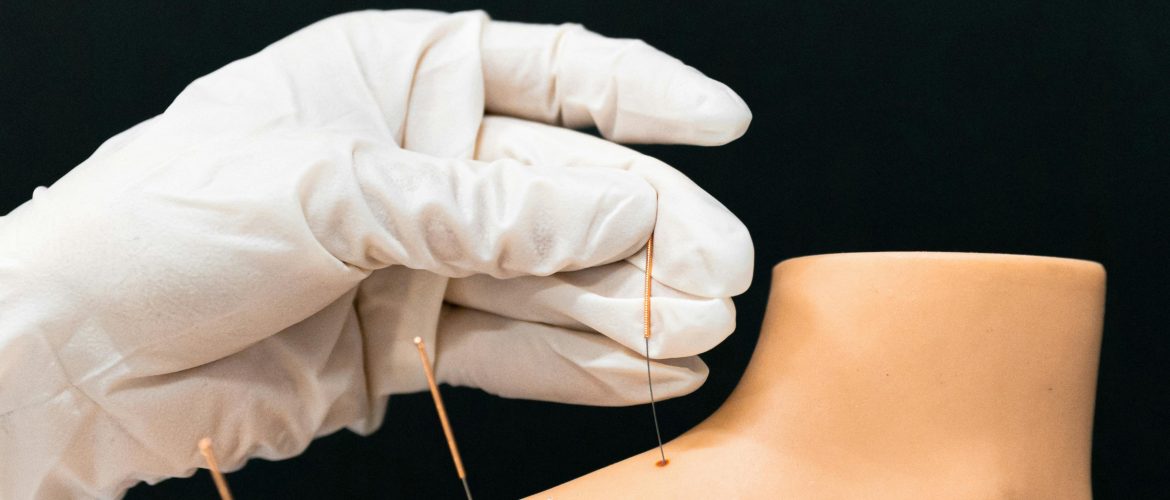
Acupuncture, a practice rooted in traditional Chinese medicine, has been steadily gaining recognition and integration into modern healthcare systems around the world. Despite its growing popularity, there has been a longstanding perception that acupuncturists are hesitant to engage in research. However, a recent survey challenges this notion, revealing a strong interest among practitioners in research and shedding light on the perceived barriers they face.
The survey, which garnered responses from 718 acupuncturists, paints an encouraging picture of the profession’s attitude toward research. The respondents expressed overwhelmingly positive beliefs and attitudes toward conducting research, showing a keen interest in advancing the field through evidence-based practices.
Key Findings from the Survey:
- Positive Attitudes Toward Research: The majority of respondents expressed a strong belief in the importance of research for the advancement of acupuncture. They recognized the value of research in validating and refining acupuncture practices, and in helping to bridge the gap between traditional and modern medicine.
- Desire for Research Resources: Acupuncturists are not only interested in research but are also eager for support from their professional organizations. The survey revealed a demand for resources ranging from interpreting research articles to conducting their own studies and securing research funding. This highlights a gap in current professional support that could be addressed to empower acupuncturists in their research endeavors.
- Concerns About the Future of Acupuncture: A significant concern among respondents was the fear that acupuncture and traditional Chinese medicine could be overshadowed or even usurped by biomedicine. This concern reflects a broader anxiety about the loss of the rich theoretical foundations of acupuncture, which are deeply rooted in centuries-old practices and philosophies.
Recommendations for Professional Organizations
In light of these findings, it’s clear that acupuncture professional organizations have a crucial role to play in supporting their members’ research efforts. There is a need for these organizations to develop and provide comprehensive resources to help acupuncturists navigate the research landscape. Key recommendations include:
- Educational Lectures and Seminars: Offering educational sessions that focus on interpreting research articles, understanding research methodologies, and designing acupuncture studies. This would help practitioners build the necessary skills to engage with and contribute to research effectively.
- Research Funding Support: Guidance on how to obtain research funding is essential. Providing resources, advice, and possibly even grant-writing workshops could enable more acupuncturists to secure the funding needed to conduct valuable research.
- Preserving Acupuncture’s Theoretical Grounding: It is also important to address the concerns about acupuncture being overshadowed by biomedicine. Organizations should advocate for the preservation and integration of acupuncture’s traditional theoretical grounding within modern research frameworks.
A Call to Action
This survey reveals a strong interest and commitment among acupuncturists to engage with research, alongside a clear call for more support from their professional organizations. By developing resources and educational opportunities, these organizations can help acupuncturists contribute to the growing body of research, ensuring that acupuncture continues to evolve while staying true to its rich heritage.
As we wait for the full article to be published in Medical Acupuncture, it’s an exciting time to consider how the acupuncture community can come together to advance research and safeguard the future of this ancient practice. What do you think about these findings, and how can we better support acupuncture research? Share your thoughts in the comments below.
FEATURED ONLINE COURSE: The Gut-Brain Axis and Anxiety and Depression.

