
Blog
Exploring Shaolin Formulas: Yang Qi Tea and Vital Energy
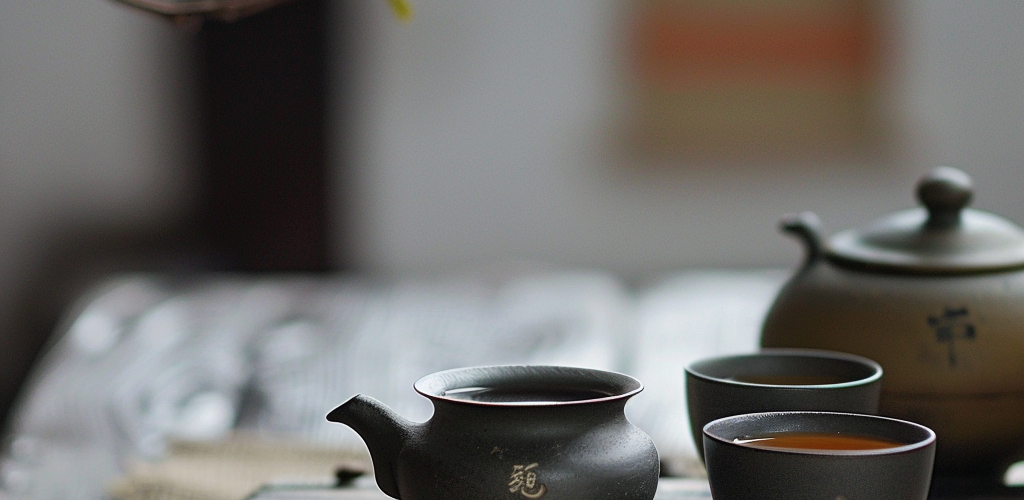
In my recent studies of Shaolin formulas, I came across an intriguing concept that I’d like to share for informational purposes and as food for thought—no medical prescriptions here, just a fascinating glimpse into ancient Chinese medicine.
There’s a saying in Chinese medicine that when our energy (or qi) is abundant and flowing smoothly through our meridians, “There is no room for death.” I find this quote profoundly captivating, highlighting the importance of energetic balance in maintaining health and vitality.
The formula I want to delve into is called Yang Qi Tea, which, like many traditional herbal blends, differs from modern patent medicines despite sharing similar names. Yang Qi Tea is designed to enhance the vital yang energy within the body, particularly beneficial during spring, known as the season of wind in Chinese medicine.
Let’s break down the purpose of this formula. First and foremost, it includes ginseng—a powerhouse herb known for its ability to boost energy levels and strengthen overall vitality. Alongside ginseng, other herbs like atractylodes macrocephaly, poria cocos, and glycyrrhiza uralensis work synergistically to increase the body’s yang energy, stimulate the Wei qi (defensive energy), promote meridian flow, and enhance energy circulation within the dantian (the body’s energy center).
The focus here is on tonifying yang energy to support the foundation of life, indirectly benefiting yin energy and our physical well-being. In today’s stressful world, where we often face excessive pressures and challenges, strengthening our yang energy can help fortify the body against these stressors.
However, it’s essential to note that this formula is not suitable for everyone. Individuals with chronic indigestion, fever, or those already experiencing cold or pneumonia symptoms should avoid using Yang Qi Tea.
To give you a sense of the composition, the ingredients of Yang Qi Tea typically include:
- Panax ginseng (2.0 units)
- Atractylodes macrocephaly (2.0 units)
- Poria cocos (2.0 units)
- Glycyrrhiza uralensis (1.0 unit)
As with any herbal remedy, it’s crucial to consult with a qualified practitioner before incorporating Yang Qi Tea into your wellness routine, especially if you have existing health conditions or concerns.
In exploring these ancient formulas, we gain valuable insights into holistic approaches to health and vitality—reminders that sometimes, the wisdom of the past can offer profound guidance for navigating the challenges of the present.

